
Editor’s note: For many years, this blog was home to a broad variety of content and I learned/grew much from the experience. Currently, I’m limiting my engagement to posting weekly sermon notes on the notes page and occasionally placing notes on the main page. My prayer is that they will be helpful, timely and biblically sound. Thanks for stopping by!
Timeless Truth-The Prophets 12-28-25
Part 6 – I Samuel 12:1-25
“The Four Principles of Samuel’s Charge”
Intro: In the latter part of Samuel’s life, Israel asked to be under the leadership of an earthly king like their neighbors (rejecting direct leadership by God through prophets and judges). God answered their request and the era of the Hebrew monarchies began with Saul.
Chapters 10-11 record the story of Saul being picked as king, then a large battle with the Ammonites. The people celebrated their victory and felt validated in their decisions, however, the word of the Lord would soon refocus their thoughts.
During the coronation ceremony in chapter 12, Samuel spoke directly to the people and gave a bold charge about important points for them to remember. We could call them principles (primarily important things).
They were four unchanging principles presented by God’s prophet to people who were about to experience a lot of change.
As we begin, consider this quote:
“Methods are many, principles are few; methods may change, principles never do.” – Anonymous
Let’s take a look:
READ: I Samuel 12:1-15
I. There is the Principle of Remembrance (v.3-6, 12)
A. God’s model of leadership was good and right w/ Samuel
(they had a leader that genuinely followed the Lord)
B. God had historically led them well with His called people
(many times God had delivered them without a king)
C. They had rejected God and His plan for them (v.12)
(they wanted to be like everyone else – v.12)
II. There is the Principle of Reasoning (v.7-15)
A. Importance of serious consideration/deep reflection (v.7)
(New Testament principle of Phil. 4:8 “meditate”)
B. Importance of the historical “if/then” proposals (v.8-11)
(God protected and God corrected)
C. Importance of the “if/then” proposals now
(Rom. 8:5-we’re to “set our minds on things of the Spirit”)
READ: 12:16-25
III. There is the Principle of Response (v.16-19)
A. Stand – pay attention
(an act of reverence and respect)
B. See – look beyond the surface
(more than a casual glance)
C. Perceive – gain knowledge of God’s ways/workings (v.17)
(humility and realization that is much to be learned)
D. Act – move from knowledge to action (v.19)
(coming to terms with what has been revealed)
IV. There is the Principle of Resolve (v.20-25)
(Resolve: a determined decision)
A. Determine to serve Him with heart-mind-strength (v.20)
(the spirit of the Shema – Deut. 6:5)
B. Determine to see the alternatives for what they are (v.21)
(be willing to see the emptiness of sin)
C. Determine to learn/live/teach what is good (v.23)
(there is good and bad according to God’s definition)
D. Determine to learn/live/teach what is right (v.23)
(there is right and wrong according to God’s definition)
V. Conclusion/Discussion
Discussion: How do you see this ‘Old Testament’ speech as a foundational expectation for a ‘New Testament’ commitment?


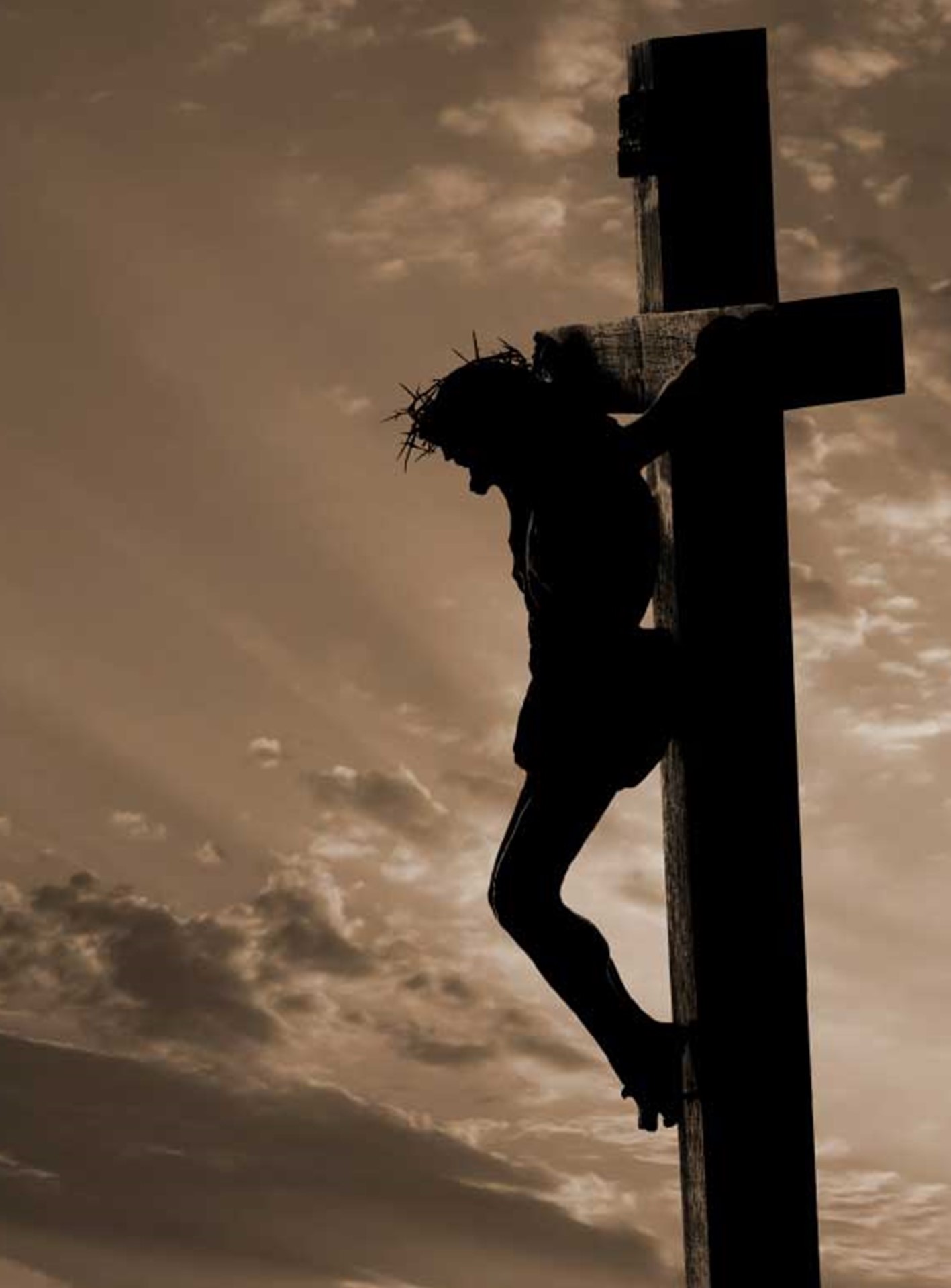 By Friday morning after his entry to Jerusalem, the enemies of Jesus had completed their scheme. Following an illegal trial based on bribery and dishonesty, Jesus had been beaten, mocked, scourged, nailed to an ugly structure used for criminals, and left to die. However, their extreme cruelty wasn’t the full measure of “the cup”; it came next.








 cchrisholland